
Understanding Premium Decay in Nifty Weekly Expiries
Every new Nifty options buyer has experienced this exact scenario: You analyze the chart, spot a perfect breakout, and buy a Call option (CE). The Nifty actually moves up just like you predicted! But when you check your MTM (Mark-to-Market) P&L, you are somehow sitting in a loss.
How is it possible to be right about the market direction but still lose money?
The invisible thief stealing your profits is called Premium Decay, also known by its Greek name: Theta. If you want to survive trading Nifty weekly expiries, you have to understand exactly how Theta works and how to protect your capital from it.
The Two Parts of an Option’s Price
To understand decay, you first need to know what you are actually buying. An option’s premium is made of two components:
- Intrinsic Value: This is the real, built-in value of the option. Only In-The-Money (ITM) options have intrinsic value.
- Extrinsic Value (Time Value): This is the “hope” value. It is the premium you pay for the time left until expiry. Out-Of-The-Money (OTM) options are made of 100% extrinsic value.
Here is the golden rule: Extrinsic value always decays to ZERO by 3:30 PM on expiry day. ## The Theta Decay Curve: Why Tuesdays Are Dangerous Premium decay is not a straight line; it accelerates exponentially as you get closer to the weekly Tuesday expiry.
If you buy a Nifty option on a Friday (the start of the new weekly contract), the premium decays very slowly over the weekend and on Monday. But as you cross into Monday, and especially Tuesday morning, the extrinsic value drops off a cliff.
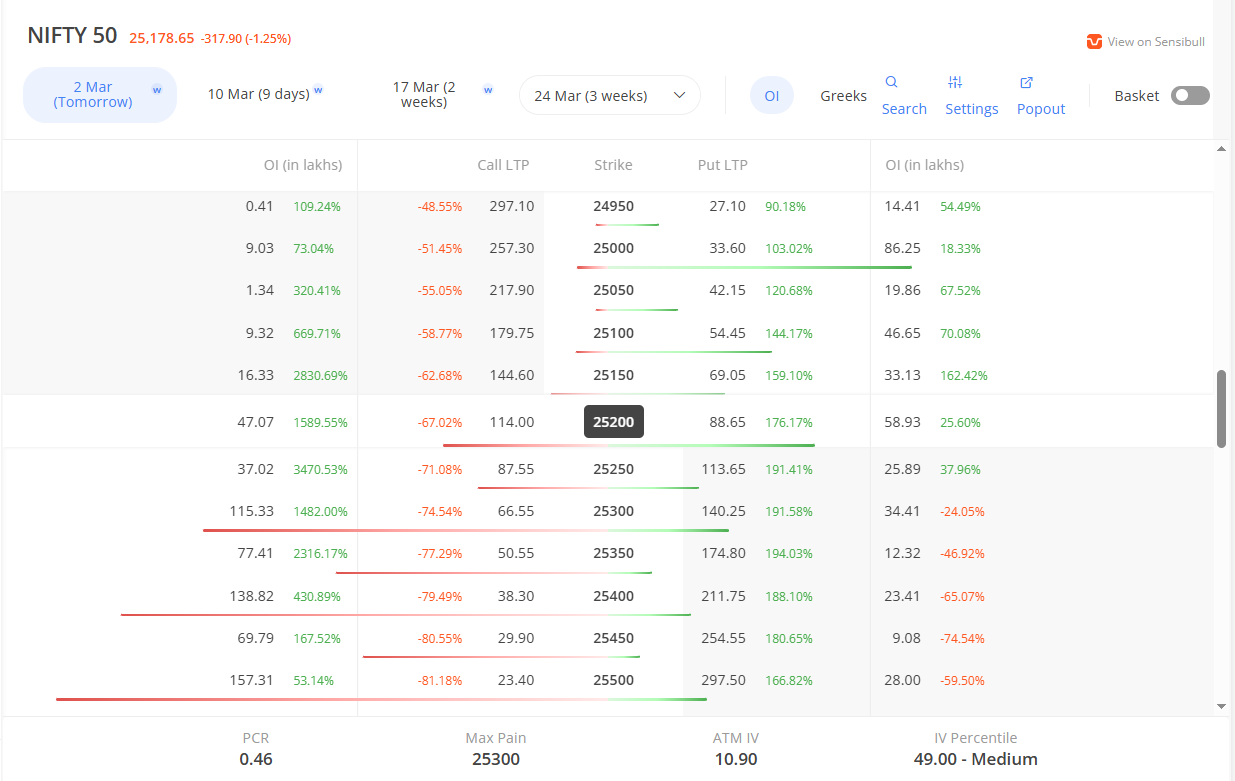
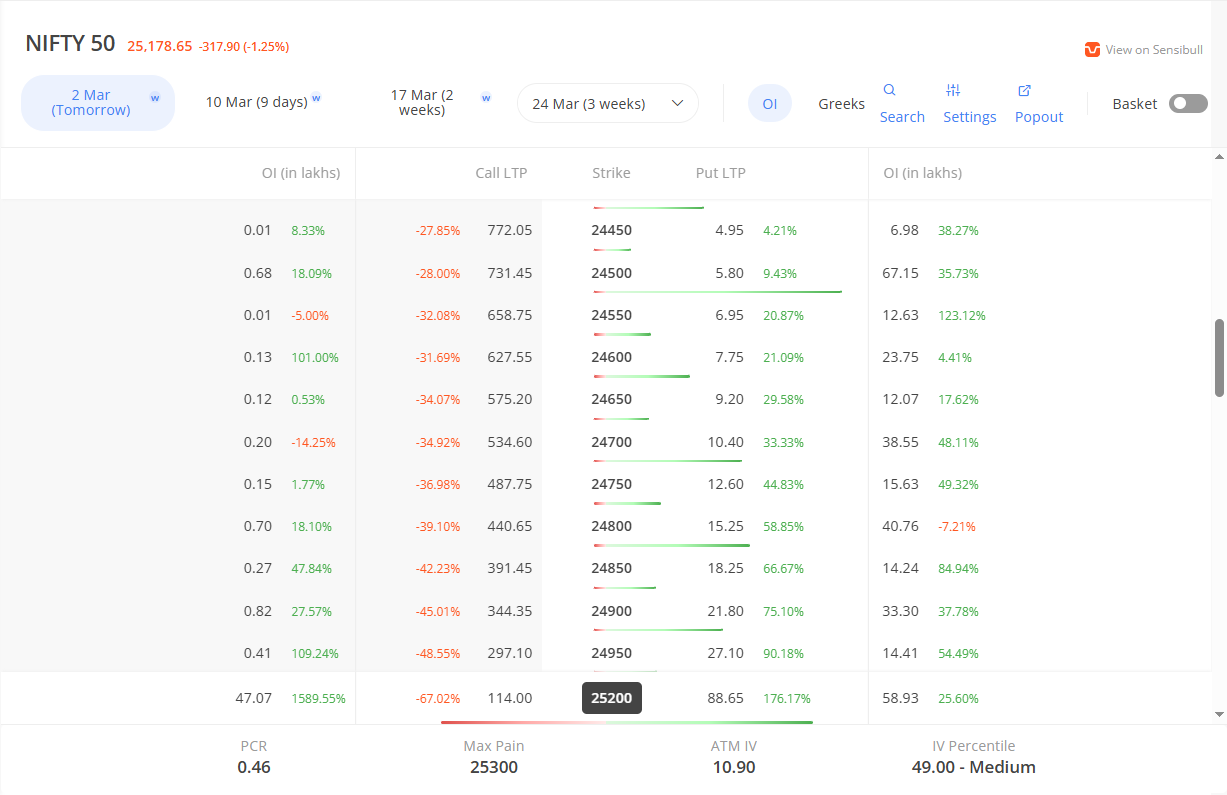
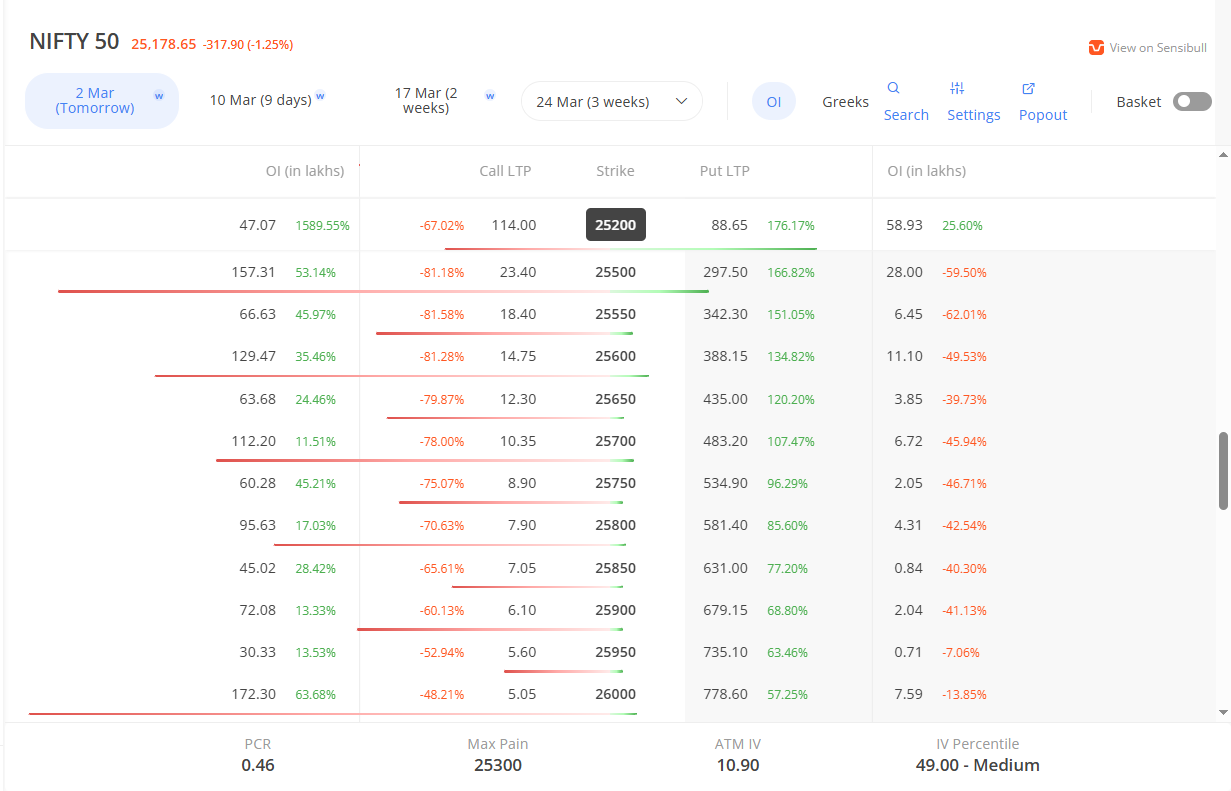
If the Nifty stays sideways on a Wednesday, the Call buyers lose money, and the Put buyers lose money. The only people making money in a sideways market are the option sellers (writers) who are collecting that decaying premium.
3 Rules to Beat Premium Decay as an Options Buyer
If you are an intraday directional trader (like someone who trades the ORB strategy), you are inherently fighting against Theta. Here is how you level the playing field:
1. Stop Buying Far OTM Options
Retail traders love buying far Out-Of-The-Money options because they are “cheap” (e.g., buying a ₹20 premium option when the Nifty is 300 points away). This is a trap. That ₹20 is entirely time value. If the market doesn’t make a massive, violent move immediately, that ₹20 will melt to ₹15, then ₹10, and eventually zero.
- The Fix: Always trade At-The-Money (ATM) or slightly In-The-Money (ITM) options. They have higher delta (they move faster with the Nifty) and suffer less from pure time decay.
2. Time Your Entries (Momentum is Key)
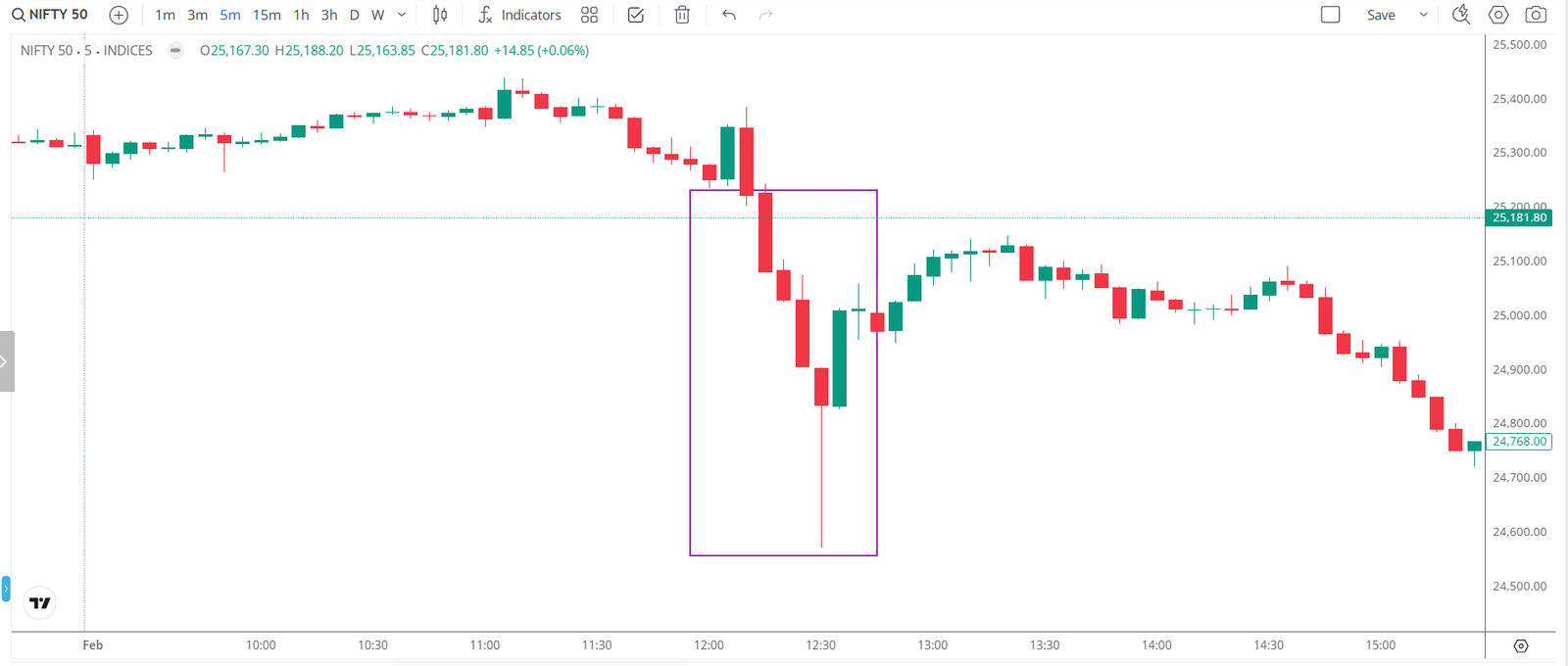
Because time is working against you, you cannot afford to sit in a trade for hours waiting for something to happen. You must enter only when momentum is present.
- The Fix: Rely on strict, backtested systems that trigger entries during high-volume periods, such as major trendline breakdowns or morning range breakouts. Get in, catch the spike in premium, and get out.
3. The “Next Expiry” Shift
If you are taking a trade on Tuesday morning (Expiry Day) and you expect a slow, grinding trend rather than a fast spike, do not trade the current week’s contract. The Gamma and Theta risks are too high.
- The Fix: Shift to the next week’s expiry. The premiums will be slightly more expensive, but the decay will be vastly slower, giving your trade room to breathe without melting your capital.
Conclusion
Options buying is not a game of holding and hoping. It is a game of surgical precision. Understand that the clock is always ticking. The better you get at analyzing historical data and backtesting your setups, the faster you can execute your trades and escape before Theta takes your hard-earned profits.