
The New Era of FinNifty: How to Trade the Index Without Weekly Expiries
For a long time, the Nifty Financial Services Index (FinNifty) was the undisputed king of Tuesday trading. Retail traders flocked to it every week hoping to catch massive “Zero to Hero” Gamma blasts on its weekly expiry day.
But in November 2024, the market landscape underwent a massive earthquake. Regulatory changes forced the discontinuation of FinNifty weekly expiries, leaving traders with only the monthly options contracts.
Many retail scalpers abandoned the index entirely, complaining that it was no longer “fun” or fast enough to trade. But for professional systematic traders, the removal of the weekly expiry was actually a massive blessing in disguise. Here is why the monthly FinNifty is now one of the cleanest indices to trade, and exactly how you should approach it.
The Eradication of “Expiry Day Noise”
Weekly expiries are chaotic. On the day before and the day of a weekly expiry, an index’s price action is heavily manipulated by algorithmic option writers defending their strike prices. This creates violent wicks, fake breakouts, and unpredictable chop.
Because FinNifty is now a monthly-only contract, that weekly algorithmic noise is completely gone.
- The Result: The index respects traditional technical analysis, trendlines, and pivot points far better than it used to. When it breaks a major daily resistance level, it actually trends smoothly instead of whipping back and forth to hunt stop losses.
What Actually Moves the FinNifty?
If you want to trade this index, you have to understand its DNA. Beginners assume FinNifty is just a slower clone of the Bank Nifty. This is a fatal error.
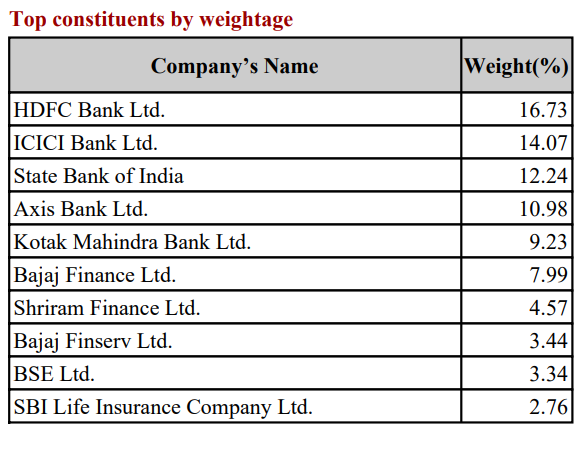
While heavyweights like HDFC Bank and ICICI Bank dictate a large portion of the index, FinNifty includes a massive catalyst that the Bank Nifty ignores: Non-Banking Financial Companies (NBFCs) and Insurance firms.
The “Bajaj Twins” (Bajaj Finance and Bajaj Finserv) hold a massive weightage here.
- If the banking sector is trading flat, but Bajaj Finance experiences a massive 4% institutional buying surge, the FinNifty will completely decouple from the Bank Nifty and rally hard.
- If you are only looking at banks to make your FinNifty decisions, you are blind to 30% of the institutional money flow.
The Positional Spread Strategy
Now that you are dealing with monthly options, your strategy must evolve from 3-minute scalping to multi-day positional trading.
Because monthly options have far less aggressive Theta (time decay) in the first three weeks of the month, you can comfortably hold positions for longer trends.
The Setup:
- Identify the Structural Trend: Zoom out to the Daily or 1-Hour chart. Wait for FinNifty to break out of a major consolidation zone.
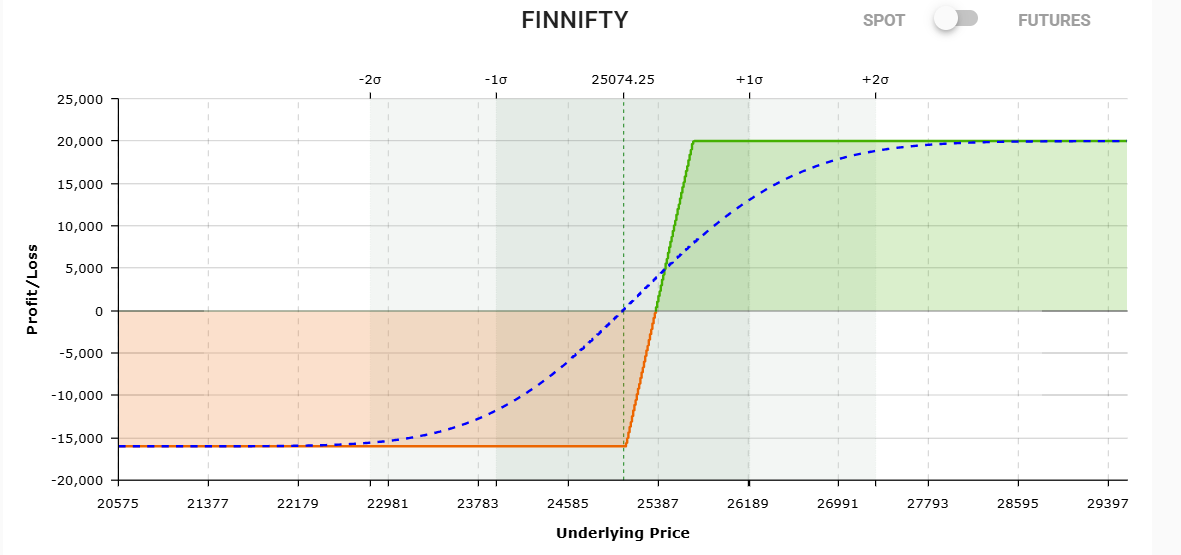
- Execute a Spread: Do not buy naked Out-Of-The-Money (OTM) options. Instead, use a Bull Call Spread or a Bear Put Spread.
- The Advantage: If you buy a slightly In-The-Money (ITM) monthly Call and sell a higher OTM Call, you drastically reduce your capital requirement and heavily neutralize the implied volatility risk.
Stop grieving the loss of the Tuesday weeklies. Adapt to the new market structure, track the NBFCs, and use the monthly FinNifty contracts to build stress-free, directional swing trades.