
Surviving the Gap: How to Trade Massive Morning Gap-Ups and Gap-Downs in Nifty
You do your analysis at night. You mark your support and resistance levels. You plan a perfect breakout trade for the next morning. But when the clock strikes 9:15 AM, the Nifty 50 opens with a massive 150-point Gap-Up, completely destroying your levels and leaving you confused.
Gaps are a daily reality in the Indian stock market, mostly driven by overnight global cues (like the US markets or sudden geopolitical news).
Most retail traders react to gaps with pure emotion. If the market gaps up, they instantly buy Calls (CE) out of FOMO. If it gaps down, they panic-sell Puts (PE). Usually, the market immediately reverses and traps them. Here is the systematic way to trade morning gaps without losing your capital in the first 5 minutes.
The Two Types of Gap Behaviors
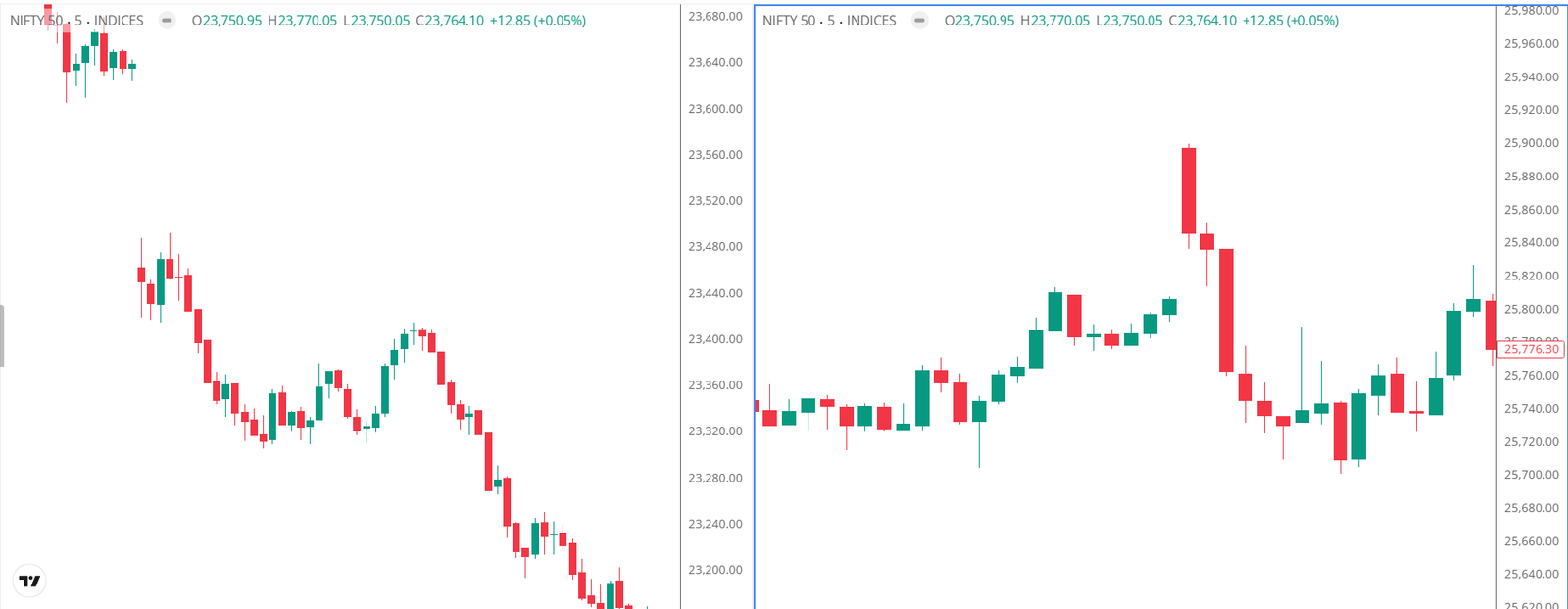
When the Nifty opens with a gap of 80 points or more, it will generally do one of two things. You cannot guess which one it will be; you have to let the price action tell you.
1. The “Gap and Crap” (Profit Booking)
Imagine the Nifty was in a strong uptrend yesterday, and today it gaps up another 100 points. The traders who bought Calls yesterday are now sitting on massive overnight profits. What is the first thing they do at 9:15 AM? They hit “Sell” to book their profits.
This creates a sudden wave of selling pressure, causing the Nifty to immediately drop and “fill the gap” back to yesterday’s closing price. If you blind-buy a Call at the open, this profit-booking wave will destroy your stop loss.
2. The “Gap and Go” (Institutional Momentum)
Sometimes, a gap is driven by a massive fundamental news event. In this scenario, the gap is just the beginning. Institutions use the opening minutes to aggressively add to their positions, causing the first 15-minute candle to become a massive trend candle in the direction of the gap.
The 15-Minute Gap Strategy
Because the first few minutes are purely algorithmic chaos, the safest way to trade a gap is to combine it with the Opening Range Breakout (ORB) strategy we discussed in previous articles.
The Setup:
- Do Nothing: When a massive gap happens, sit on your hands from 9:15 AM to 9:30 AM. Let the overnight orders settle.
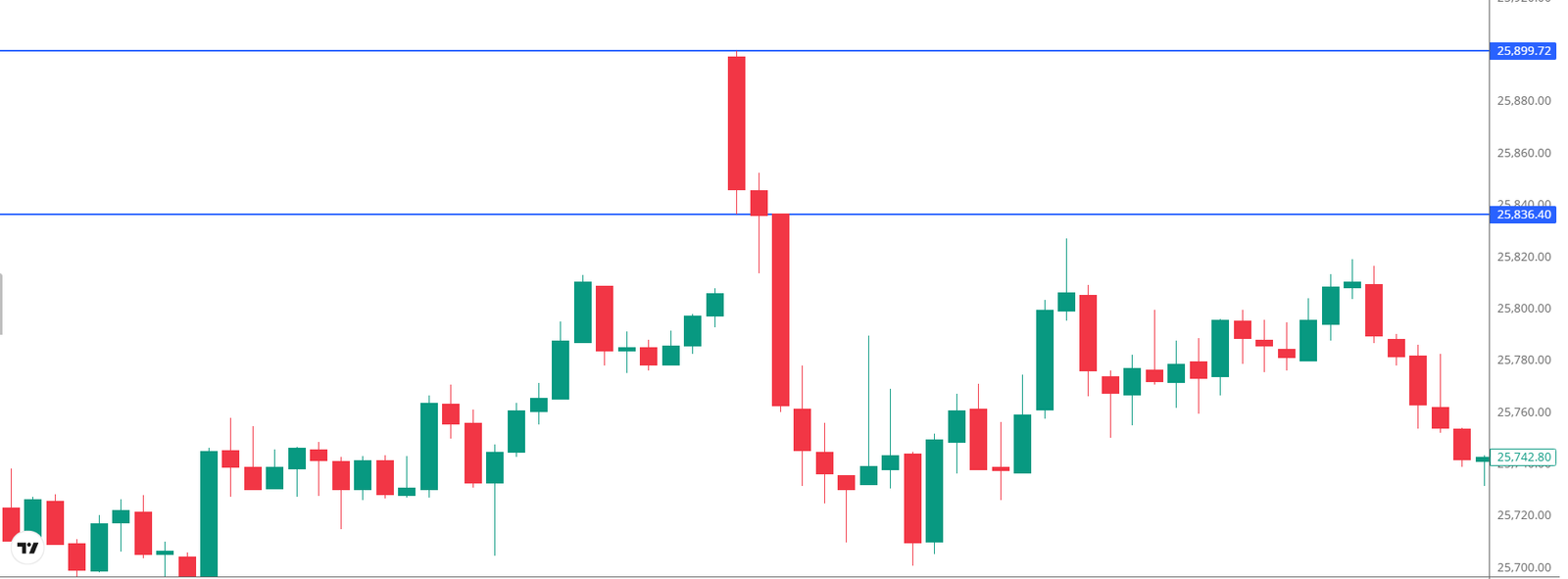
- Mark the Range: Draw a line at the High and Low of the first 15-minute candle.
- The Gap Fill Trade: If the 15-minute candle is red, and the next candle breaks its low, you buy a Put (PE) option. Your target is exactly Yesterday’s Closing Price (because markets love to fill gaps).
- The Continuation Trade: If the 15-minute candle is green, and the next candle breaks its high, you buy a Call (CE). The gap is real, institutions are buying, and you ride the momentum.
The “Runaway Gap” Warning
If the Nifty gaps up or down by an extreme amount (e.g., 200+ points) due to a Black Swan event, standard technical analysis often fails. The premium for At-The-Money options will be heavily inflated due to the IV (Implied Volatility) spike. On these rare days, it is often best to just close your trading terminal, protect your capital, and let the market find its balance.